The Call for Entries Is Closed. Winners Announcement Coming Soon! | See Past Winners




Beyond the Build
This Multidisciplinary Life Podcast by August
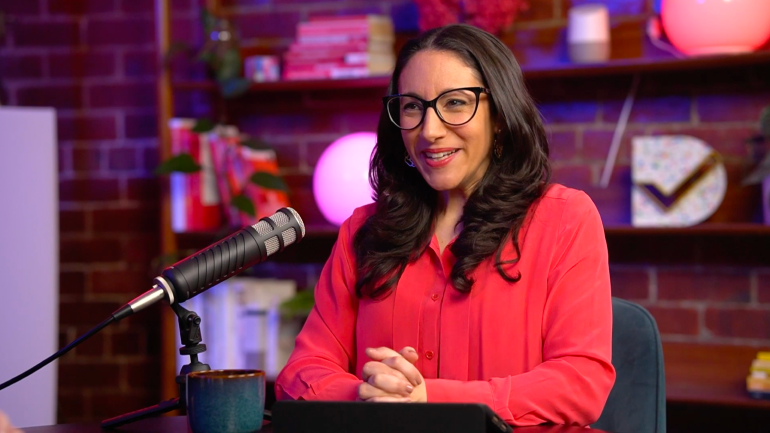
Sarah El-Atm is both an AIVA Juror and w3 Award winner. As General Manager at August, she’s a marketer and lawyer who spent six years researching what makes multidisciplinary teams work. Her podcast, This Multidisciplinary Life, goes beyond the career recap and into the real stories of how people build and lead high-performing teams across disciplines. It earned August a 2025 Gold Award in Individual Episodes & Specials-Law & Legal Services in its first season and hit Spotify’s top 25% in 2025. Read on to find out the three things she refused to compromise on and what she’s looking for when reviewing entries.

What sparked the idea for the project? I’ve always been drawn to people’s stories, but more specifically, how those stories shape the way we work together. I believe the future of work depends on our ability to operate well in multidisciplinary teams, and that’s harder than most organisations realise.
Over the past six years, I’ve been researching multidisciplinary teams in the legal profession. I started to see consistent patterns in how these teams function and in the types of people who thrive in them. But those patterns raised a deeper question for me: what are the individual stories behind them?
The podcast is my way of answering that. It explores the real paths people have taken into multidisciplinary work, and what it actually looks like to build, lead, and contribute to these teams.
While my starting point has been the legal profession, the ambition is broader. I’m interested in the people, across any industry, who are building high-performing multidisciplinary teams, and understanding how and why they make them work.
What’s something that surprised you most when working on the project? I wasn’t sure how much depth my guests would go into. We prepare a little ahead of each episode, but I intentionally leave space for the conversation to unfold naturally. I don’t want to script it too tightly because the best insights usually come from what isn’t planned.
What’s surprised me is how open people are willing to be. Guests often finish and say they could have kept talking for hours because they felt so comfortable.
There’s a real generosity in how people share their stories, and I think that’s what makes the podcast work. You’re not just hearing what someone does, you’re understanding how they think and what’s shaped them. We get to connect with each guest on a human level and that’s special.
Could you tell us more about the outcome and results of the project? I didn’t know if anyone would listen when I started. You always hope they will, but you don’t really know until you publish.
What surprised me was the level of offline support. During season one, I was attending events in the legal profession and meeting people who already knew the podcast. My audience isn’t the biggest, but it’s highly engaged. People are listening, sharing, and coming up to me at conferences to talk about episodes, which still feels surreal.
The podcast also won a W3 Award in its first season, which I didn’t expect. It only works because of the people who choose to listen and the guests who are willing to share their stories. I don’t take either of those lightly.
On Spotify, This Multidisciplinary Life was in the top 25% of podcasts listened to in 2025, which gave me a sense that we’re building something that resonates.
We’re now working on season three, with a focus on going deeper. More connection with guests, more insight, and more stories that help people understand how multidisciplinary teams really work.
What aspects of the project do you feel made it built to stand out? There were three things we agreed early on that we wouldn’t compromise on when building This Multidisciplinary Life: the quality of guests, the quality of production, and staying niche for as long as possible.
The quality of the guest matters. Every person is someone I genuinely want to meet and learn from. There has to be something in their story or perspective that will add real value to the audience.
We also made a decision early to invest in production. People aren’t just listening to podcasts anymore, they’re watching them. So the set, lighting, and overall quality had to be strong from the start and continue to improve. It’s something people comment on, and it helps make the experience more engaging and memorable.
Staying niche has probably been the hardest. I have a clear long-term vision for where this goes, but there are still so many conversations to have within the legal profession. It can feel uncomfortable not to expand too quickly, but that depth is where the real insight is. That’s where the best conversations come from.
What about your team is built to last in this ever-evolving digital landscape? I love this question because it’s something we talk about a lot. It takes a multidisciplinary team to build the podcast, but what makes it built to last is how we work together, not just what we do.
There’s a lot of work that sits in the gaps between disciplines. The communication, the handovers, the small decisions, the way we stay aligned. That work isn’t always visible, but it’s what holds everything together, and everyone on the team contributes to it.
We’ve been deliberate about building a shared language, staying aligned on purpose, and revisiting our standards regularly. That gives us consistency without becoming rigid.
AI helps us move faster in some areas, but the strength of this team is human. It’s the connection, the trust, and the care we bring to the work that makes it sustainable over time.
Your last chance to complete your entries and get your work in front of Sarah and other expert Jurors is this Friday, August 7th.