The Call for Entries Is Closed. Winners Announcement Coming Soon! | See Past Winners



Beyond the Build
Juror Alyssa Delaney Nyen, Founder & Managing Partner, DELANEY
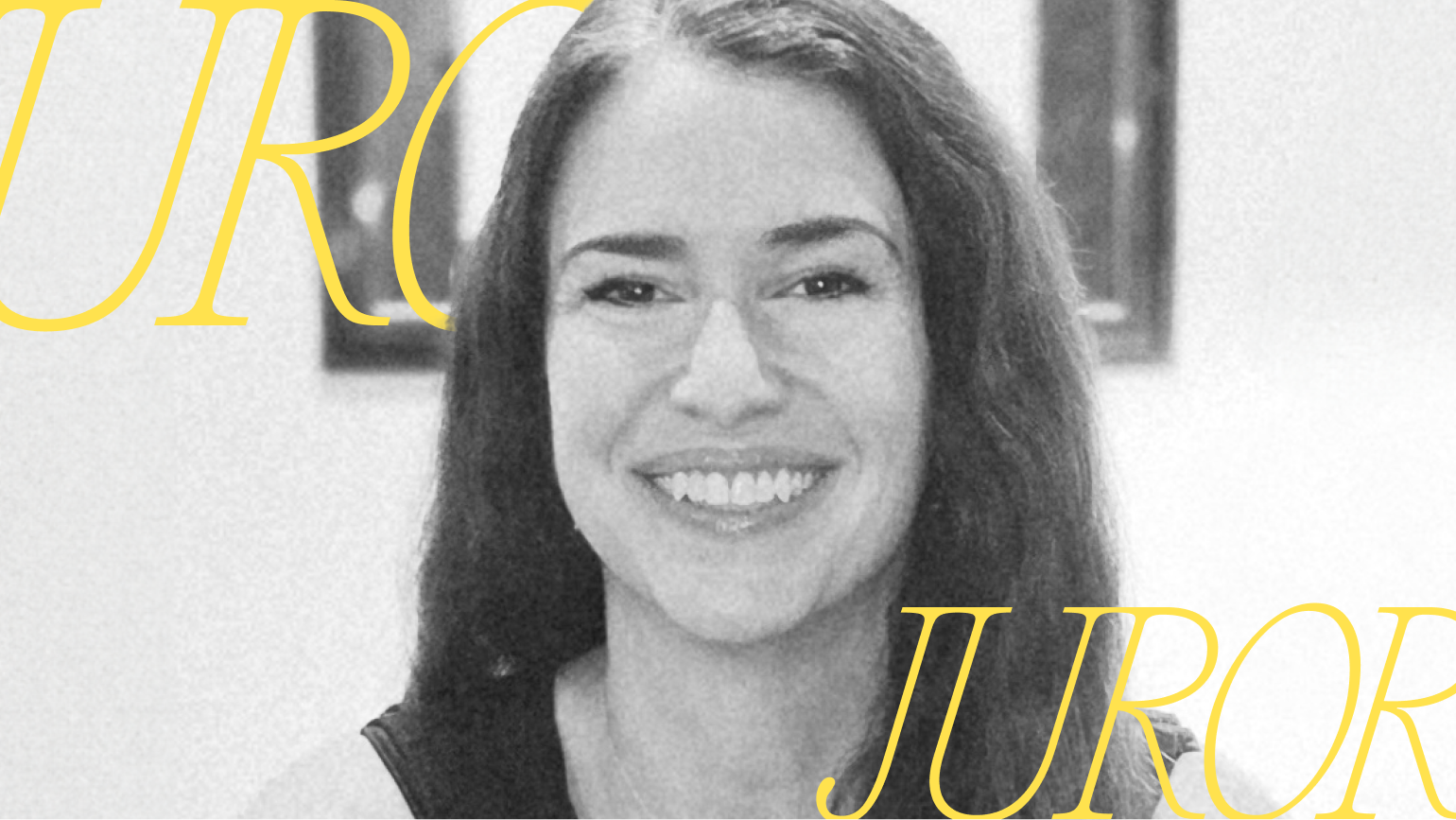
With 20+ years shaping brand, content and creative transformation for Fortune 500 and purpose-driven organizations, Juror Alyssa Delaney Nyen knows what it takes to win. As Founder & Managing Partner of DELANEY, she advises organizations and nonprofits on growth, brand trust and transformation. Read on to learn the single most important thing she thinks you should nail in your w3 Award entries.
What was your first job?
My first job was folding brochures for my grandmother’s design school in Washington, D.C. She paid me about $10 total, which I treated like a consulting fee. I approached the assignment with great care and took my work very, very seriously: clean folds, sharp edges, no margin for error. In hindsight, it may have been my earliest experience in branding… or at least in paper alignment. Being around her design school—and watching someone run a creative business—was fascinating, even then.
Do you have any brainstorming rituals? What are they?
Not sure if this is a ritual but here is how I approach brainstorming, generally: I try to start brainstorming by getting the problem very clear before the ideas start flowing. In my experience, the best creative work rarely comes from a blank whiteboard; rather, it comes from a well-defined tension or question. So, my first ritual is reframing the brief until it becomes something provocative enough that the ideas almost suggest themselves.
From there, I like to open the aperture widely. For example, I pull in references from outside the category and look across a ton of different inspo: culture, publishing, design, movies, journalism, even systems thinking, paintings, etc. Some of the most interesting work happens when you connect disciplines that don’t usually sit next to each other.
And finally, I try to move quickly from volume to clarity. Brainstorms should be expansive, but the real craft is identifying the few ideas that have both creative spark and strategic traction. The goal isn’t just originality … it’s work that resonates with audiences and can actually live in the world.
When did you know that this career was what you wanted to do?
I’m not sure there was a single moment. It has been more of a process of understanding who I am at heart and finding work that approximates that. I studied English, particularly poetry, and I have always been drawn to language, meaning, and the way ideas take shape through words. Over time, I found myself in branding, communications, and creative leadership, places where those instincts could live in the real world.
I sometimes jokingly call myself “The Corporate Poet.” It is my shorthand for the synthesis of things I have gravitated toward: language, people, strategy, storytelling, and the industries and experiences I encountered along the way.
My father once gave me advice that stayed with me. He said that your best job approximates who you are. Looking back, that is really what this career has been about, gradually finding the role where my interests, instincts, and perspective align with the work.
What’s one thing you wish you knew when you first started your career?
I wish I had known that your career isn’t a straight line. It’s more like a series of experiments. I spent a lot of time worrying about whether I was “doing it right,” when in reality the most interesting work comes from following curiosity, making connections across disciplines, and being willing to try things that feel a little outside your comfort zone. It’s also about working with great people who challenge you and fill in the gaps where you aren’t as strong while filling in the gaps they may have where you are strong.
If I had to sum it up in one line, I’d say: your instincts matter more than the map. Oh and choose to work with great people. Always.
How do you stay up-to-date with industry trends?
Honestly, staying up-to-date is the easiest part of my job because it’s literally what I’m doing all day. I read, observe, talk to people, watching people’s behavior, and hunt for patterns, constantly scanning what’s working, what’s new, and what’s next. I also judge industry awards, which is like a masterclass in trends—my approach is to look for work that balances creative brilliance with real-world impact, and see what lessons can be applied more broadly.
Or, if you want the funny version: I read LinkedIn at breakfast like it’s the morning paper, call it research, and then judge awards for extra “trend credit.”
If you weren’t working in this industry, what would you see yourself doing?
If I weren’t in this industry, I’d still be doing something that lets me create. For me, making things is the only thing I really can’t stop myself from doing.
What aspects of a project make it “built to win”?
Winning comes down to nailing the narrative. Beautiful design or clever copy isn’t enough. The project that wins means the story has to work really hard; it must ring true, feel original, drive impact, with every detail and touchpoint tying back to serving that central narrative. What’s more, all of that has to happen in a way that’s clear and memorable. If you can do that, you can win every time.
If you want your work seen by Alyssa and the rest of the expert Jurors, enter your best work by Friday, July 24th. This is your last chance to prove your projects are built to stand out.