Extended Entry Deadline: July 24th! | Enter Now




Beyond the Build
Juror Alan Gilleo, Chief Marketing Officer, Leap Group
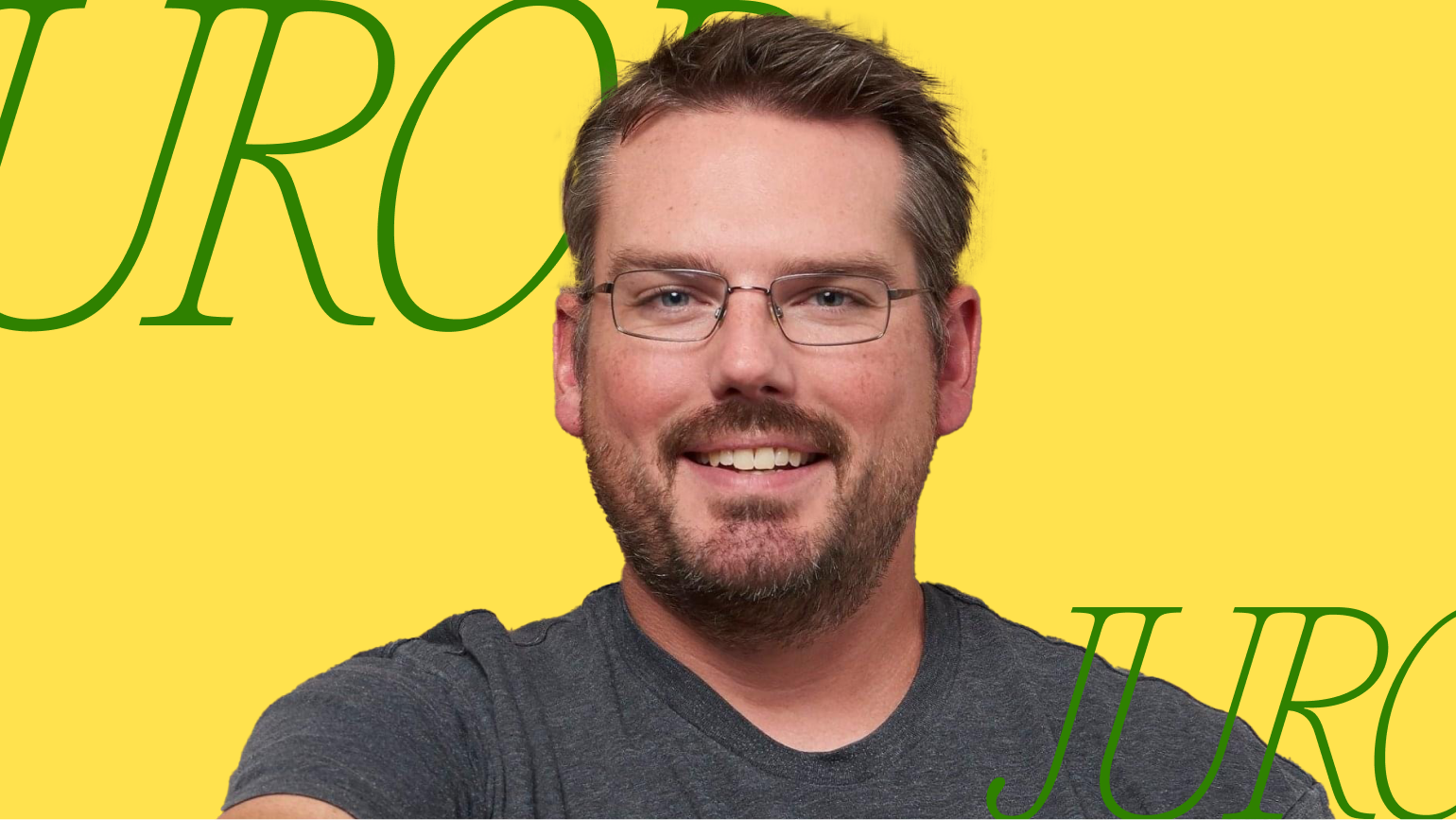
Multi-w3 Award winner and Juror Alan Gilleo has spent more than 25 years doing one thing really well: connecting creative thinking to real business outcomes. As Co-Founder and CMO of Leap Group, he built an agency collective from the ground up on the simple belief that great marketing should matter, not just reach. Outside the office, he trades screens for fresh air on his commercial goat farm, where he says some of his best ideas find him. Whether you’re packaging up creative or strategic projects, check out Alan’s submission secrets before you enter your work this Friday!
What does a typical day look like for you? I’m probably the same as most people. My day starts with coffee and a quick scan of what’s happening in the industry, along with stocks and general business news. I do have one rule though: no meetings before 9:30. Okay… maybe 9 once in a while.
Other than that, no two days are exactly the same, which is part of what I enjoy most about this business. Most of my time is spent working with our teams on strategy, shaping ideas for clients, and connecting marketing decisions back to real business outcomes. I’m also involved in new business and thinking about where the industry is headed next.
A lot of my role is helping teams see opportunities—connecting creative thinking, data, and client needs in ways that drive growth. But if I’m being honest, a big part of the day is meetings. My youngest once spent a day with me and said, “So… all you do is have meetings. Do you actually do anything?” Way to keep me grounded, kid!
What was your first job? My first real industry job was while I was still in college when I landed an internship at an advertising agency. I must have done a decent job because they ended up hiring me. I started on the creative and production side working on the Whirlpool and Viking appliances accounts, laying out all of the product manuals in QuarkXPress (yes, I’m old). In many, many languages. (How do you think those manuals get created?!)
I had a great Associate Creative Director who took an interest in mentoring me, and before long I was promoted to Art Director and started working on the conceptual side of the business.
It was a great experience because it taught me to do a great job no matter what the task. It also gave me a hands-on understanding of how ideas actually get made and executed. That foundation stuck with me—great marketing isn’t just about ideas, it’s about turning those ideas into work that actually reaches people and performs. It’s about making the work real.
Do you have any brainstorming rituals? What are they? I like to start with the problem, not the idea. The best brainstorming happens when everyone clearly understands the business challenge, the audience, and what success actually looks like. I also try to bring different disciplines into the room—creative, strategy, media, analytics—because the best ideas usually happen at the intersection of perspectives. Once people deeply understand the problem, the ideas tend to come much more naturally.
Brainstorming sessions also need to be safe places where every voice is heard. Sometimes the quietest person in the room has the best idea. And it’s perfectly okay to leave a brainstorm with the only deliverable being that we need another brainstorm. That just means we’ve started the thinking process and everyone’s subconscious is continuing to work on the problem.
I also love bringing clients into the journey. They add valuable perspective. Even if they can’t attend the live session, we build FigJam boards that map our brainstorming and concepting process so clients can see the thinking evolve and participate along the way.
When did you know that this career was what you wanted to do? It happened pretty early. When I was in college working at the agency during my internship, I realized I loved the combination of creativity and business. Advertising sits at a unique intersection—you get to think creatively, but you’re also solving real business problems.
That balance hooked me. You’re constantly learning about different industries, audiences, and challenges. One day you might be working on healthcare, the next on financial services, retail, or technology.
What’s kept it interesting for more than 25 years is that the industry is always evolving. The tools change, the platforms change, and the data gets better—but the core challenge is still the same: understand people, understand the business problem, and create something that actually matters.
That philosophy is something we talk about a lot at Leap: Market Less. Matter More. If you truly understand the audience and the problem you’re solving, you don’t have to shout louder—you just have to create something people genuinely care about.
What was the biggest pivot you had to make when working on a project? Years ago we were working with Kroger when they first started expanding beyond groceries into home goods. One of the first categories they introduced was outdoor patio items—tables, chairs, umbrellas, plants, pool toys—and they wanted an interactive digital experience to showcase the new products they were offering.
The concept was a backyard scene with a pool where users could explore different items and learn more about them. Since it was going to be illustrated, I hired an illustrator and we aligned on sketches, aspect ratio, and art direction before he went off to finish the artwork.
A few weeks later he emailed saying he was done and asked to bring it into the office. I assumed he just wanted to present the final illustration. Well, we meet and he walks into my office with a 2-foot by 6-foot painting—on canvas! To say I was shocked was an understatement.
We quickly pivoted, photographed the painting in sections, digitized it, and used those assets to build the interactive experience and animations we originally envisioned.
That painting still hangs behind my desk today as a reminder: always make sure expectations are crystal clear.
Do you have any hobbies that shape your work today? I referenced it in my bio, but years ago my wife and I bought a farm. So outside of work I run a small commercial meat goat and vegetable farm. Farming has a funny way of reinforcing lessons that apply to business—patience, problem solving, and the fact that not everything happens on your timeline. You learn to pay attention to patterns, adjust when things change, and stay consistent with the work.
There’s also a strange juxtaposition to it that I really enjoy. During the day I’m deep in technology, analytics, AI, creative strategy, and business decisions. But on the farm it’s manual work, fresh air, animals, and no screens. That time away from technology gives me space to think. Some of my best ideas actually show up while I’m fixing a fence or moving goats from one pasture to another.
It’s a great reminder that sometimes the best way to solve complex problems is to step away from the office for a while and let your mind be still.
What’s one thing you wish you knew when you first started your career? I wish I had understood earlier how important it is to seek out and maintain relationships with great mentors. Early in your career you tend to focus on doing the work and proving yourself, which is important, but having people around you who have already navigated the industry can accelerate your growth tremendously.
Some of the biggest leaps in my career came from mentors who were willing to challenge my thinking, offer perspective, and push me to see opportunities I might have missed. Those relationships shaped how I approach leadership and entrepreneurship today.
As we’ve built Leap, I’ve tried to carry that forward by creating an environment where younger talent can learn, take risks, and grow with the support of experienced leaders around them.
What’s the first thing you look at when you view an entry? The first thing I look for is the problem being solved. If I can quickly understand the challenge and the insight behind the idea, it makes the rest of the entry much easier to evaluate. When the problem, thinking, and execution connect clearly, it’s usually a sign the work was built on strong strategic foundations.
For entries that are more creatively focused, I’m also looking closely at the storytelling and craft. The quality of the design, imagery, and overall experience matter a lot, along with the originality of the idea. The work that stands out usually combines both—strong thinking behind the idea and creative execution that brings it to life in a memorable way.