The Call for Entries Is Closed. Winners Announcement Coming Soon! | See Past Winners




Beyond the Build
Juror Tiffany L. Kimicata, Head of Marketing, MOD Worldwide
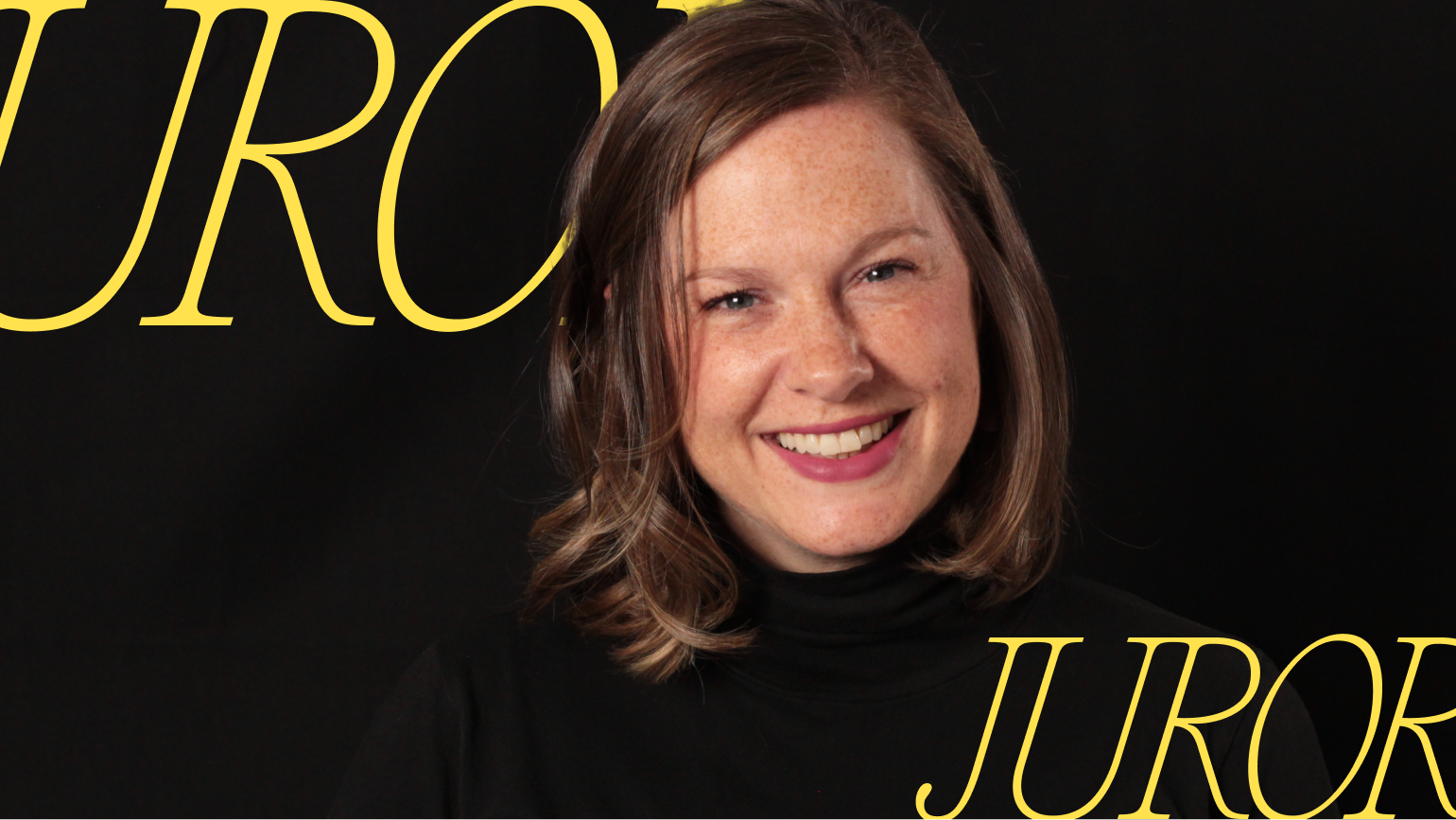
Long before she was Head of Marketing at MOD Worldwide, Juror Tiffany L. Kimicata was learning her first lessons in consumer behavior behind a grocery store register in Hope, Kansas. She’s come a long way since then, though she’ll tell you her prized binder of over 300 Got Milk? ads has made the journey with her. When she’s not crafting integrated campaigns, you’ll find her quilting or lost in a good book. Read on to find out why she puts the audience at the center of everything, and why she thinks clarity always wins.
What was your first job? My first job was at a small-town grocery store near where I grew up in Hope, Kansas. I did a little of everything: running the register, stocking shelves, facing products. Looking back, it was my first lesson in consumer behavior. I paid attention to what people bought, what brands stood out on the shelf, and how the aisles looked at the end of the day as an understanding of the people in the town.
It also taught me how to treat people and how to work efficiently. Customers liked that I was friendly, but they also appreciated that I was fast. To this day, I still care deeply about doing things both well and efficiently. And I still bag groceries the right way: eggs and bread never go on the bottom.
When did you know that this career was what you wanted to do? Growing up in Hope, Kansas, a small farming town, I had never heard of advertising or marketing. I planned to study journalism, but without realizing it, I was already falling in love with great campaigns. I collected Got Milk? ads and covered my walls with them. I still have a binder with more than 300. Around the same time, Truth.org’s anti-smoking campaign stuck with me so deeply that I’ve never smoked a cigarette.
What moved me wasn’t just the message, it was the power these campaigns had to shape culture. They sparked conversation, showed up in the news, and marked a moment in time. That realization changed my path and eventually led me to New York City to study marketing.
Since then, advertising has been a true passion of mine. I’m a constant student of the craft, always paying attention to the ideas that break through and stay with us. My goal has always been to create work that resonates beyond the moment. To be a part of ideas that people remember because they meant something.
Do you have any hobbies that shape your work today? Reading and quilting are two hobbies that shape how I approach my work. Reading has always helped me understand how emotion and perspective shape the way people receive a message. It’s a reminder that great communication isn’t just about what you say, but how an audience experiences it. I try to bring that same awareness to brands, being a reliable narrator for what they stand for.
Quilting, on the other hand, is a lesson in precision and patience. Every piece has to be cut and sewn carefully, and the final result is only as strong as the thought and craftsmanship behind each step. It reminds me that great work is built detail by detail, with both vision and discipline guiding the process.
If you weren’t working in this industry, what would you see yourself doing? Honestly, it’s hard for me to imagine working in any industry other than advertising. I genuinely love the craft of it. The ideas, the strategy, and the challenge of connecting with people in meaningful ways.
If I had taken a different path, I think I would have pursued writing memoirs. I’m deeply inspired by writers like David Sedaris, Rob Sheffield, and Glennon Doyle, who have a way of turning personal experiences into stories that make people feel seen and understood. The ability to create that kind of emotional connection, and sometimes even help eliminate shame through honesty, is something I find incredibly powerful.
In many ways, that same instinct to connect people through shared human experience is what continues to draw me to the work I do today.
What aspects of a project make it “built to win”? For me, work that’s built to win shows a deep understanding of the audience and the context in which it will be experienced. The strongest projects are thoughtful about the details, how people will encounter the work, how accessible it is, and how the placement and geography shapes the message. Whether it’s a single piece or a fully integrated campaign, the most successful ideas are designed with real human behavior in mind.
Do you have any tips for entrants on how to build an award-winning entry? My top tip for entrants is to always put the audience at the center. Every decision, design, copy, placement, or channel, should be intentional and rooted in how people will actually experience it. Clarity is critical. A simple, well-executed idea is more powerful than a complex one that confuses. Finally, don’t overlook the details. Thoughtful, precise execution can be what separates a good entry from a great one. Every element should support the idea and its impact.
What’s the first thing you look at when you view an entry? The first thing I notice is whether the entry speaks to me as the intended audience. I ask myself, as the target, what do I see first? How does it make me feel? Do I want to engage further, or do I want to turn away? The strongest entries capture attention immediately, feel relevant and authentic, and make me want to explore every detail.
How has your definition of “great digital work” changed in the last few years? My definition of great digital work has evolved as the world and its audiences have grown — every day there are new groups, new people, new conversations, new interests. Today, it’s not enough to chase trends online. The best digital work is intentional and purposeful and it connects with real people, considers their behaviors and interests, and uses attention thoughtfully. With digital, you can spark a classroom-sized conversation instead of a global one, but only if you design for impact, not just reach.