2026 Winners Are Announced! | See the Winners



Beyond the Build
Juror Chantal Sagnes, Founder/CEO, Chantal Sagnes Consulting
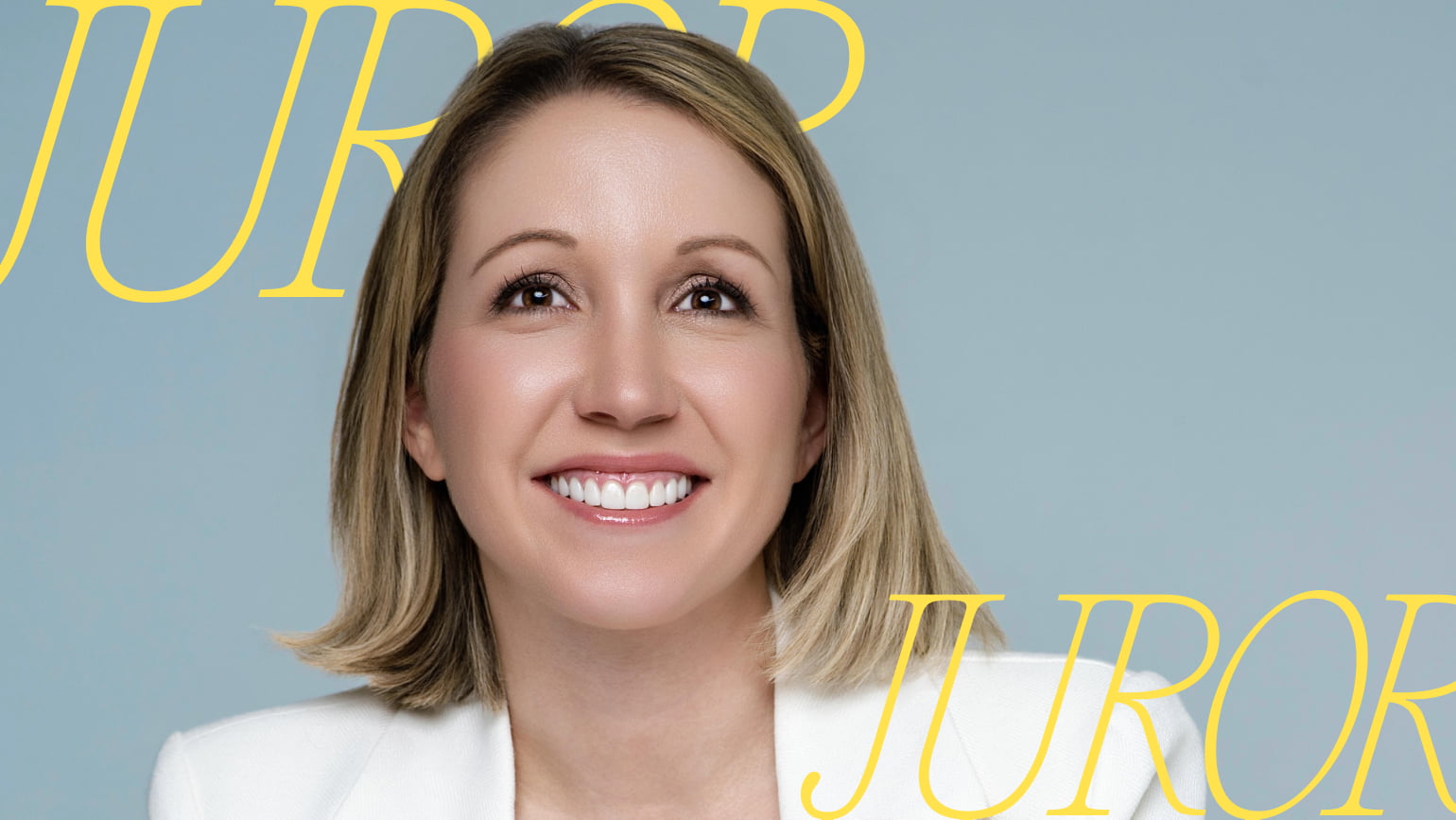
Chantal Sagnes didn’t set out to work in advertising, she found her way in through entertainment PR, and never left. Now, as Founder/CEO of Chantal Sagnes Consulting, she works as a fractional Managing Director helping independent agencies grow, leading account teams and client relationships for brands like Infiniti, Hilton, PepsiCo, and Netflix. Her 15+ years in the industry have taught her that winning work starts long before the entry is written. Read on to see how she’s reviewing this season’s entries, and why she’s looking for work that “feels inevitable rather than assembled.”
What does a typical day look like for you?
My days don’t really ever look the same. I’m either traveling to my clients’ offices, on a plane to a pitch or conference, or sitting at a coworking space. I toggle between quite a bit each day, from agency marketing strategy, to leading account teams, to pitching and prospecting, and ensuring the agency has a steady drumbeat of work, news, and exciting things in the pipeline.
I went fractional almost two years ago and haven’t looked back. I love being able to work across multiple agencies at once, which feels especially meaningful right now. It’s a uniquely interesting time to be close to the indie agency world, where winning work is anyone’s game.
What was your first job?
While I was still in college, I drove up from Orange County to Santa Monica every day for an internship at 42West, one of the top entertainment PR firms in the industry. When I heard there was an Executive Assistant position opening up, I asked for it. That’s something I teach account people to do every day. As my mother always said: you don’t ask, you don’t get.
That job was a genuine immersion in high-stakes, high-speed work. I was sitting in on early movie screenings for critics, not to enjoy the film, but to read the room. If the reaction wasn’t right, I had to be out of that theater and on the phone before the credits rolled, trying to get ahead of how the film would get written about. I was planning movie premieres and after parties before I was old enough to even have a drink at one. That job wired me to stay close, move fast, and never let anything drop, which turned out to be incredibly useful coming up as an account person in advertising.
Do you have any brainstorming rituals? What are they?
I’m slightly addicted to maximizing productivity in the car, so I’ll voice-dump everything on my mind into Claude while I’m driving and have it synthesize my thoughts. What comes back is a clearer way to see what’s working and what isn’t worth pursuing, because the initial brainstorm has turned into something actionable.
When did you know that this career was what you wanted to do?
Honestly, I backed into advertising from entertainment, but once I was in it, I recognized the same things I’d loved in that first job: the pace, the way you have to understand people and anticipate what they’re going to do before they do it. What kept me here for 15+ years is that advertising is, at its core, a problem-solving business. You’re constantly trying to figure out what’s the real thing that’s in the way of growth and how you can mobilize teams to help shift it. It’s a puzzle I never get tired of.
Do you have any hobbies that shape your work today?
I have always been a fan of racquet sports, with the focus that’s required and the pressure and excitement that comes with playing singles. The game is riding on you, and you win or lose based on focus or strategy most of the time. My father still plays and can run younger players around the court based on where he places the ball strategically. I like to think of that as an analogy for every member of any pitch team or account – play it like you’re playing singles – yes, you’re part of a team, but are you being strategic and bringing your all to what you are responsible for. I also love carving out time that belongs to only me, and I come back to Monday with a lot more to give because of it.
What’s one thing you wish you knew when you first started your career?
That relationships are the job, and not something you work on when there’s time after your work is done. When I was coming up, I thought being good meant being fast, buttoned-up, and having the right answer. Now I know that asking questions when you don’t know is powerful, listening fully before sharing your POV is important, and that trust is built in the moments in between the big ones. Being curious about what could impact the business you’re working on (that might not have anything to do with your remit), sending the follow-ups no one asked you to send, the calls you make before someone has to ask. I wish someone had told me earlier that the account person who people call first isn’t always the most senior, It’s the one people feel most confident in and supported by.
Do you have any tips for entrants on how to build an award-winning entry?
Start thinking about the entry when you’re pitching the work. If you’re figuring out how to frame it after the project wraps, you’re missing a chance to frame the output with the end in mind. Is this work going to be effective? Is this built around a breakthrough idea that is solving a true business need, or is it just checking boxes for the client? What does a case study for this actually look like, and is it worth telling? There is an ownness here on account people and strategists, who by thinking this way help the creative turn into entries that feel inevitable rather than assembled.