The Early Entry Deadline is April 24th! | Enter Now




Beyond the Build
Juror Jamie Mittelman, Founder & CEO,Flame Bearers
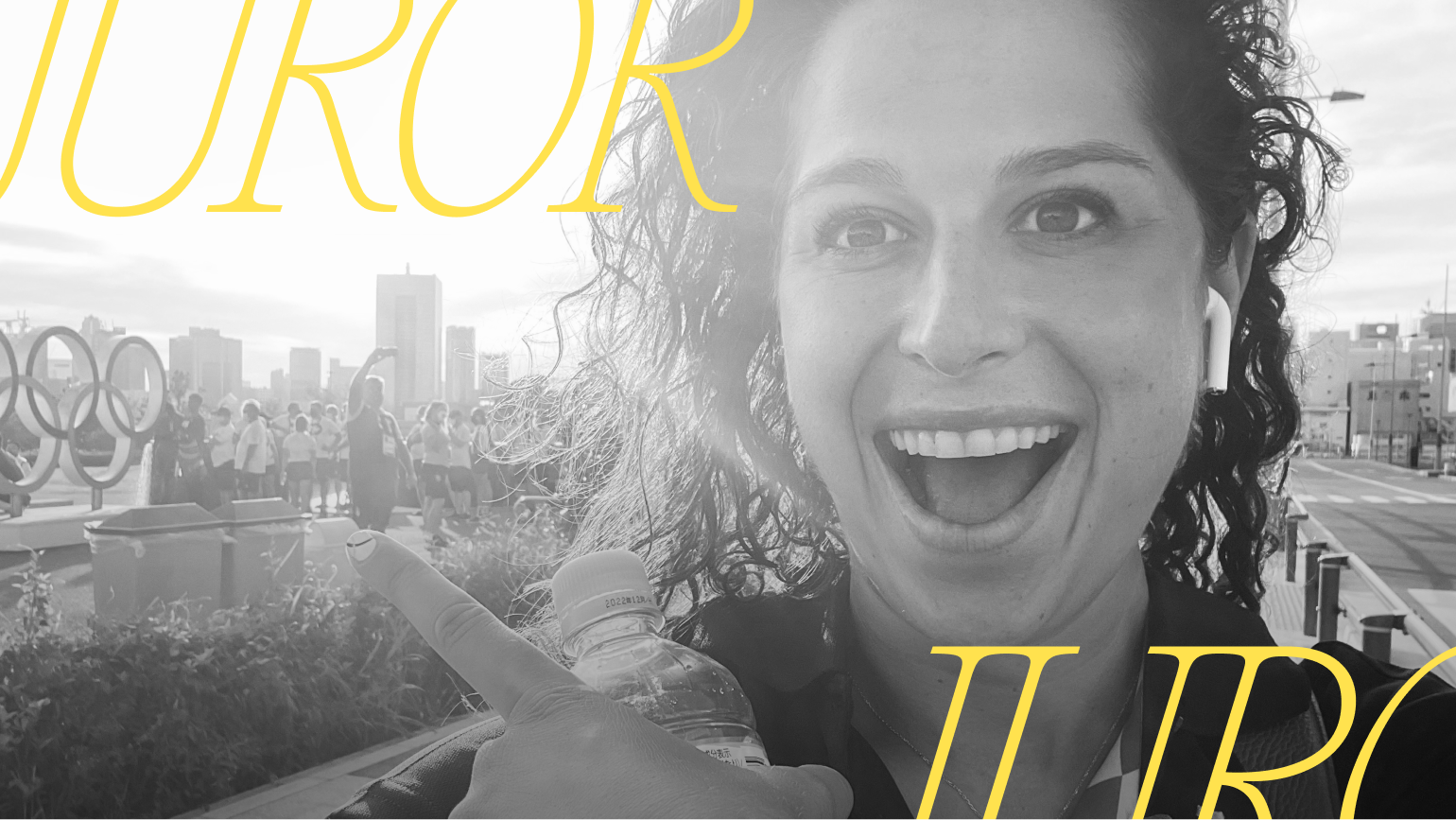
Meet Juror Jamie Mittelman, Founder & CEO of Flame Bearers, the first global platform dedicated to telling stories about women Olympians and Paralympians. She was on the ground at the Paris Olympics, championing the voices of female athletes of every age and background. She has worked with over 400 elite athletes from 55 countries, asking the questions no one else thinks to ask. When she’s not in an athlete’s corner, you’ll find her hitting the slopes or treading pavement, which is usually when her best ideas strike. Read on to discover why she asks “why should I care?” when evaluating w3 Awards entries.
What does a typical day look like for you?
A typical day starts around 8AM—quick workout, then I’m at my desk by 9 diving into emails.By 10, I’m usually in an athlete interview for our podcast or hosting a social live—those conversations are the heartbeat of what we do. From there, the day shifts into partnership mode: planning content, jumping on sales calls with brands and organizations investing in women’s sports, and thinking through how we scale impact. I’ll often connect with a new athlete or two to understand her goals and how we can tell her story in a way that feels true to her. Then it’s back to emails (always), wrapping up loose ends before doing it all again the next day.
When did you know that this career was what you wanted to do?
This job wasn’t something I mapped out, and frankly, it didn’t exist 10 years ago. My Dad, one of my biggest role models, always used to say that careers make more sense looking back than they do in the moment. For those of us who didn’t grow up wanting to be one specific thing, it’s less about following a straight path and more about telling a story about your career decisions and building a narrative. Can you explain why the work fits you, why you’re the right person to do it, why you moved from one role to the next, and what you bring to it that no one else can? That’s always stuck with me, so my journey has been less about having a set plan and more about figuring out what feels right, then connecting the dots afterward. For me, this worked really clicked once I started working closely with athletes. Sitting with them, hearing what they’ve actually been through, earning that trust. Them being vulnerable with me and holding that space for them…and frequently being the only media partner that had ever treated them in that manner. Like a real human. Then I started to see the gap: how much these stories matter, and how few people are actually telling them the right way, or even asking the right questions. It wasn’t one big moment, but a feeling I keep coming back to that told me this is the work I want to be doing.
Do you have any brainstorming rituals? What are they?
I have a few go-to brainstorming rituals. First, I do my best thinking when I’m moving: running, hiking, skiing. Being outside helps me relax and step away from the noise, which is usually when the best ideas come. Second, when it’s a group brainstorm, I like to be intentional about it. We set a clear goal ahead of time and keep the group small. I’ll ask everyone to come in with 1–2 starting ideas so we’re building, not starting from scratch. And third, I’m always paying attention to what others in the space are doing—not to copy, but to analyze. What’s working? What’s missing? Where can we push things further? That lens often sparks the next idea.
What was your first job?
While I worked summer jobs throughout school, my first real year-round job was as an English Grammar Teacher as a women’s university in Chittagong, Bangladesh.
What’s one thing you wish you knew when you first started your career?
I wish I knew that no one is watching you or judging you as closely as you think you are. I always used to have this imaginary audience, when in reality everyone is super engrossed in their own lives, doing their own things. I wish I had learned earlier to treat myself with the same level of kindness and respect I’d give a friend. To be in my own corner, not my own worst critic.
If you weren’t working in this industry, what would you see yourself doing?
Dream: running a vineyard in Capetown South Africa or a small AirBnB with my husband in rural Vermont
What’s the first thing you look at when you view an entry?
This sounds a bit blunt, but the first thing I ask is: why should I care? We’re all living in an attention economy—there’s noise everywhere. I’m looking for what makes this stand out, what makes it different, and ultimately, why it matters. I’m looking for the ‘so what’?
Are you building work that connects with people? There are only three days left to secure preferred early pricing. Enter now to put your work in front of Jamie and other expert Jurors by the Early Entry Deadline this Friday, April 24th.